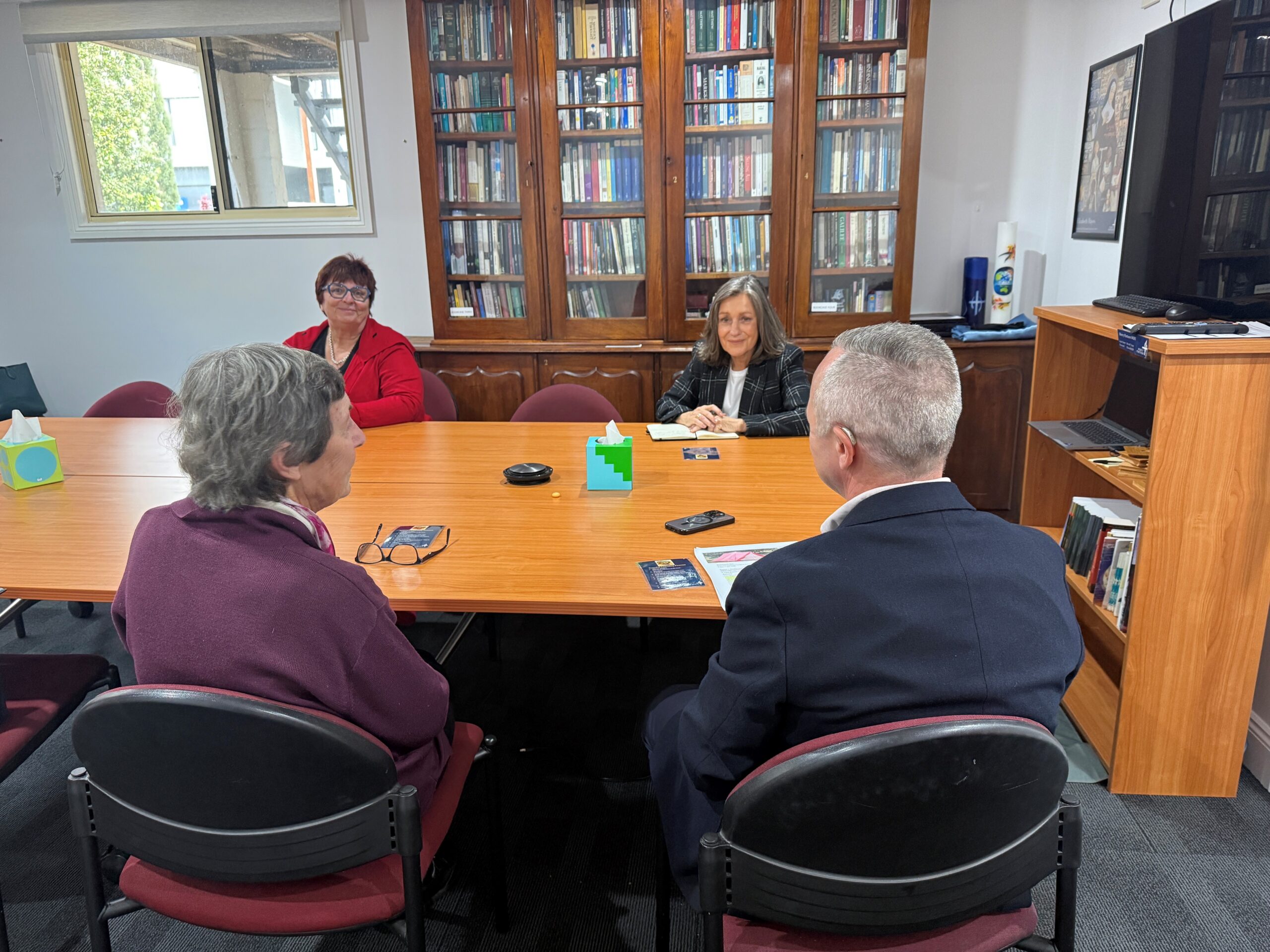
Over the past three months, Mercy Partners Formation work with ministry Boards has continued to return to a central question: Why? Why do Boards gather for Formation amid full agendas and complex responsibilities? Why does mission remain essential to governance? And how might Formation help Boards attend not only to what decisions are made, but to the spirit and processes through which those decisions are discerned?
The responses from our ministry Boards suggest that Formation is offering a valuable space to reconnect with mission as the living purpose at the heart of all we do. Across our ministries, board directors have completed their self-assessments aligned to the Mercy Partners Formation Framework. This has provided a strong context for understanding each Board’s particular Formation needs, while also revealing shared themes across the ministries. In recent months, seven ministries have engaged in Formation sessions exploring leading in the way of Jesus, listening, partnership in mission, discernment and leadership. While each session was shaped by its own context, a common thread has emerged: Formation is inviting Boards to consider very practical ways that mission can shape board culture, conversation and decision-making processes.
Board directors have named this connection with clarity and hope. Some spoke of mission as “both unique and shared”; others identified “connection, service and hope”, and the need to bring mission “into the heart of what we do”. Importantly, this was not expressed only as an aspiration. Feedback highlighted practical possibilities for board life, including being intentional before action, creating relational moments within board meetings, and exploring a regular mission moment as part of the board agenda. In this way, Formation is helping boards translate the language of mission into habits and practices that can shape governance from within.
The sessions on listening revealed a similar movement from reflection to practice. Board members named the importance of pausing, breathing and making space for all voices, particularly those who may otherwise be unheard. Listening was understood not as a passive exercise, but as a disciplined practice that can strengthen discernment, deepen trust and improve the quality of board processes. In an environment where decisions can be complex and time pressured, the invitation to listen deeply offers a practical and mission-centred way of leading.
The feedback on discernment has also been significant. One reflection described the need to bring “heart to work with head”, while others identified the value of pausing before decisions, attending to values, and discerning together as a collective. These insights sit alongside reflections on leading in the way of Jesus, where board directors named servant leadership, compassion, courage, Gospel wisdom and holy disruption as qualities needed for faithful governance today. Together, these responses point to the same emerging theme: Formation is not separate from board process; it is becoming a lens through which boards can review how they meet, listen, deliberate and decide.
A scripture that speaks strongly into this work is from the prophet Micah:
“What does the Lord require of you but to do justice, and to love kindness, and to walk humbly with your God?” Micah 8:6
This invitation holds together the heart of board Formation: justice in decision-making, kindness in relationships, humility in leadership, and faithfulness to the mission entrusted to us. It also reminds us that Formation is not simply about what boards know, but about the way boards are shaped to serve.
This quarter has also included important moments of connection beyond board sessions: being with Mission Integration Leaders at Mater, joining principals at their gathering, and launching the new prayer resource for Magnifica Humanitas. Each of these encounters has reinforced the relational nature of Formation. Formation creates space for leaders to reconnect with mission, deepen their understanding of tradition, and consider how purpose is expressed in the ordinary rhythms and responsibilities of their leadership.
As this work continues, there is much encouragement in the openness of our boards and in the themes now emerging across the ministries. There is a clear desire for Formation that is grounded, practical, theological and hopeful. Most importantly, there is a growing recognition that mission is not an addition to governance; it is the why that should animate every conversation, every process and every decision. In supporting boards to engage Formation in this way, Mercy Partners is nurturing communities of leaders who are connected to mission, attentive to the Spirit, and committed to responding to contemporary needs in this time and space.
