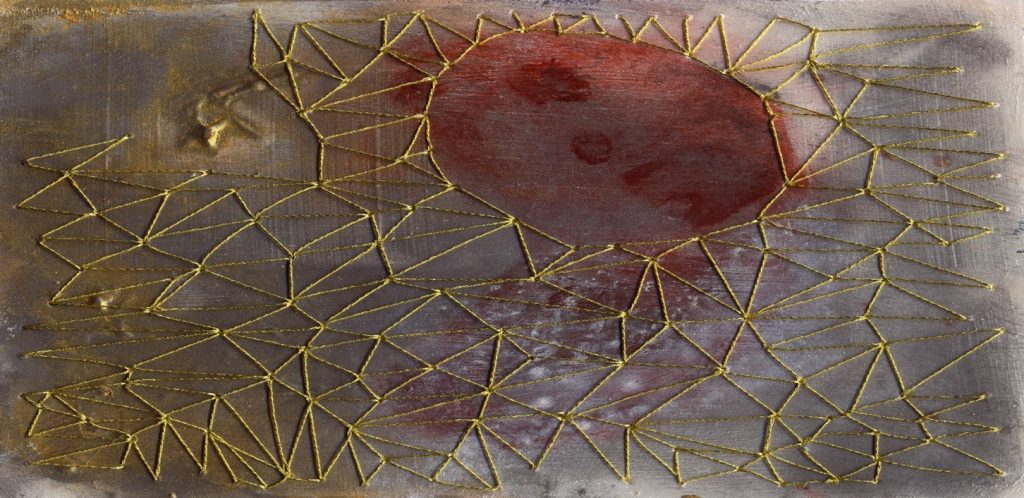
We are most likely to hear the voice of God when we still our own voice and enter into the presence of the other, without planning our own words, or thinking of what we will say next, or imagining what we might hear.
We are most likely to hear the voice of God when we still our own voice and enter into the presence of the other, without planning our own words, or thinking of what we will say next, or imagining what we might hear.
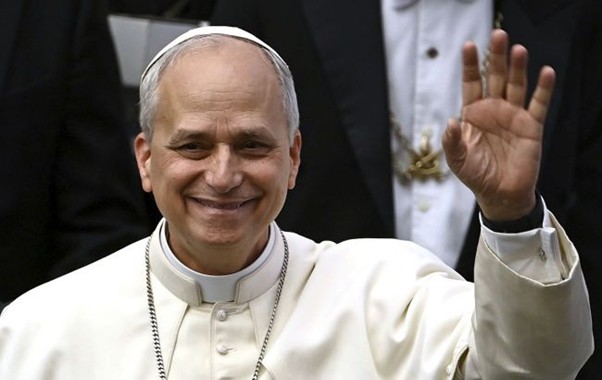
These first words of Pope Leo XIV have resonated profoundly amongst people in all parts of our globe including the 1.4 billion Catholics who have greeted our new leader with great joy and hope.

Fifth Sunday of Lent focuses on the biblical story of Jesus and the woman publicly shamed, highlighting themes of self-righteousness, judgment, and mercy. The message encourages readers to slow down, reflect, and choose compassion over condemnation, drawing parallels between the Gospel and our modern world. The piece includes a calming image of a child painting, reinforcing the call to create gentle, contemplative spaces in our lives.

Our Fourth Sunday of Lent is a reflective liturgical resource, centered around Luke 15:1–3, 11–32 — the parable of the Prodigal Son. It offers a soulful meditation on God’s unconditional love and radical hospitality, encouraging readers to reflect on themes of inclusion, mutuality, and the interconnectedness of all people. The piece uses the concept of Ubuntu (“I am because we are”) to deepen the message of communal belonging and spiritual wholeness. It’s designed for use during Lent as part of a broader “Pilgrimage of Hope,” inviting people to open their hearts, welcome others, and find God in everyday encounters.
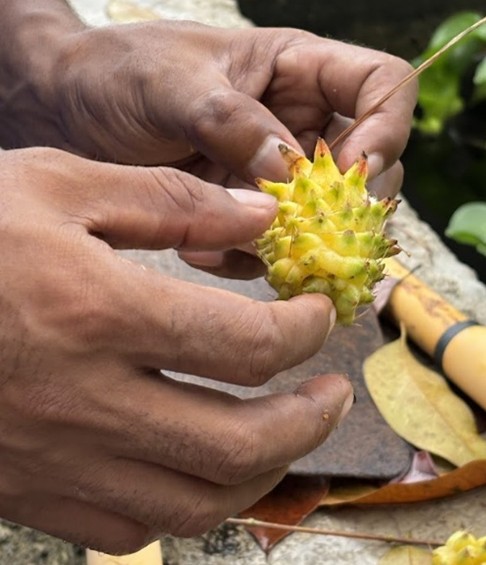
The Third Sunday of Lent is a time for reflection on God’s mercy and patience. It often highlights the theme of repentance, reminding us to turn back to God and seek spiritual renewal. This Sunday’s readings, such as the story of the fig tree, show how God offers second chances, urging us to reflect on our own lives and grow closer to Him.
Acknowledgement of Country
Mercy Partners acknowledge and pay respect to the traditional owners, the Yuggera, Turrbal, Jagera and Ugarapul People, recognising Elders past and present, on whose land we walk, work and live.
